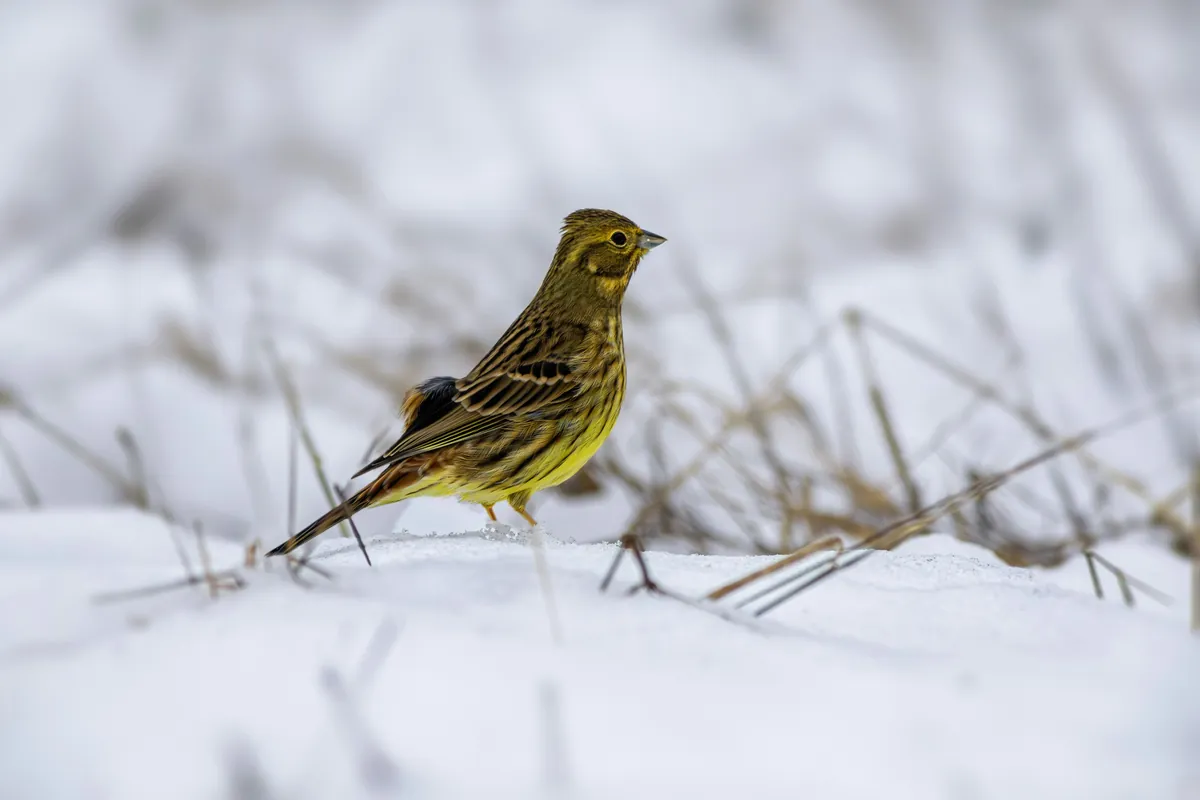
World Wildlife Day in United Kingdom
Country-specific marketing context and ideas
Popularity in United Kingdom
World Wildlife Day, celebrated on March 3rd, has been gaining traction in the United Kingdom over the years as awareness of environmental and wildlife conservation issues continues to grow. While specific popularity metrics for the year 2025 aren’t available, trends suggest that interest and participation in such global observances are likely to increase. This is due to heightened public awareness of biodiversity issues and the role social media plays in amplifying environmental campaigns.
Organizations, schools, and conservation groups in the UK typically engage in activities and awareness campaigns leading up to and on World Wildlife Day. These efforts are often supported by media coverage and social media engagement. Marketing professionals can leverage this day to align with sustainability and conservation values, potentially collaborating with NGOs or launching campaigns that highlight their brand’s commitment to environmental issues. By tapping into this growing awareness, brands can enhance their corporate social responsibility profiles and connect with environmentally conscious consumers.
Trends in United Kingdom
In 2025, World Wildlife Day in the United Kingdom is expected to reflect several emerging trends that align with global conservation efforts and local initiatives. One notable trend is the increased use of digital platforms to raise awareness and engage the public. Social media campaigns and virtual events are becoming more sophisticated, utilizing augmented reality (AR) and virtual reality (VR) to create immersive experiences that highlight the importance of wildlife conservation.
Sustainability and biodiversity are key themes, with many organizations and brands in the UK focusing on promoting sustainable practices that contribute to wildlife preservation. There is a growing emphasis on local wildlife conservation projects, with efforts to protect indigenous species and restore natural habitats gaining traction. This includes initiatives by both governmental bodies and NGOs that aim to involve local communities in conservation activities.
Collaborative efforts are also on the rise, with partnerships between businesses, educational institutions, and conservation groups working together to amplify their impact. Schools and universities are increasingly integrating wildlife conservation topics into their curricula, encouraging student participation in wildlife-friendly projects.
Influencer partnerships are being leveraged to reach broader audiences, with popular figures raising awareness about endangered species and conservation efforts. Additionally, there’s a significant push towards transparency and accountability, with organizations focusing on reporting their environmental impact and progress towards conservation goals.
In terms of consumer behavior, there is a noticeable shift towards supporting brands that are actively involved in wildlife conservation, reflecting a broader trend of ethical consumerism. This is prompting companies to not only engage in one-off campaigns but to integrate wildlife-friendly practices into their long-term strategies.
Overall, World Wildlife Day 2025 in the UK is set to be characterized by innovative digital engagement, strong local involvement, and a commitment to sustainable practices that support the preservation of wildlife.
Cultural significance
World Wildlife Day, celebrated annually on March 3rd, holds significant cultural relevance in the United Kingdom as it aligns with the nation’s growing commitment to environmental conservation and biodiversity. In 2025, the day is expected to be a focal point for raising awareness about the importance of protecting wildlife and natural habitats both locally and globally.
In the UK, the cultural significance of World Wildlife Day can be seen through several lenses:
-
Historical Context: The UK has a rich history of naturalists and conservationists, such as Charles Darwin and David Attenborough, whose work has greatly influenced global understanding of biodiversity. This heritage fosters a cultural appreciation for wildlife, making World Wildlife Day an important occasion for reflection and action.
-
Public Engagement: The day provides an opportunity for educational institutions, conservation organizations, and media to engage the public through events, documentaries, and campaigns that highlight the UK’s native species and ecosystems. This helps foster a sense of responsibility and stewardship among citizens.
-
Policy Influence: World Wildlife Day often serves as a platform for discussions around environmental policies and legislation. In 2025, these discussions could be particularly relevant as the UK continues to navigate post-Brexit environmental regulations and its commitments to international conservation treaties.
-
Community Involvement: Local communities and organizations across the UK use the day to organize activities such as wildlife walks, tree planting, and habitat restoration projects. These activities not only contribute to conservation efforts but also strengthen community bonds and promote a culture of sustainability.
-
Corporate Responsibility: For businesses, World Wildlife Day is an opportunity to showcase their sustainability initiatives and corporate social responsibility efforts. Many companies in the UK use the day to launch or highlight programs aimed at reducing their environmental impact.
Overall, World Wildlife Day in 2025 will likely continue to be a pivotal moment for promoting conservation awareness, inspiring action, and celebrating the UK’s natural heritage, reinforcing the country’s role as a leader in global wildlife conservation efforts.
How it is celebrated
World Wildlife Day is celebrated globally on March 3rd, and in the United Kingdom, it serves as a significant opportunity to raise awareness about wildlife conservation. In 2025, as in previous years, the day is likely to be marked by various activities and events aimed at educating and engaging the public.
-
Educational Programs and Workshops: Many schools and universities might host workshops, talks, and exhibitions focusing on wildlife conservation and biodiversity. These events often feature experts who discuss the importance of protecting wildlife and ecosystems.
-
Wildlife Documentaries and Films: Television networks and streaming services may feature special programming, showcasing documentaries and films about wildlife and conservation efforts both in the UK and around the world.
-
Zoo and Wildlife Park Events: Zoos and wildlife parks often organize special events, including guided tours, educational talks, and interactive activities for families and children. These events aim to highlight the conservation work being done to protect endangered species.
-
Social Media Campaigns: Conservation organizations and NGOs typically launch social media campaigns to spread awareness and encourage people to take action. These campaigns might include hashtags, challenges, or calls to support specific conservation projects.
-
Community and Volunteer Activities: Local communities often organize clean-up events, tree planting, or habitat restoration projects. These activities provide hands-on opportunities for individuals to contribute to conservation efforts.
-
Art and Photography Exhibitions: Galleries and public spaces might host exhibitions showcasing wildlife photography or art, highlighting the beauty and diversity of wildlife and the importance of preserving it.
-
Fundraising and Charity Events: Organizations dedicated to wildlife conservation may hold fundraising events, such as charity runs or auctions, to support their ongoing projects and initiatives.
By participating in these activities, individuals and organizations in the UK contribute to global efforts to protect wildlife and raise awareness about the challenges facing our planet’s biodiversity.
Marketing advice
World Wildlife Day, celebrated on March 3rd, is an excellent opportunity for marketing professionals in the UK to engage with audiences around the themes of conservation and biodiversity. Here are some tailored strategies to make the most of this day in 2025:
-
Collaborate with Wildlife Organizations: Partner with UK-based wildlife organizations like the Wildlife Trusts or the RSPB. Collaborations can include joint events, social media campaigns, or fundraising initiatives. These partnerships can enhance credibility and amplify your message through established networks.
-
Create Engaging Content: Develop content that highlights UK-specific wildlife issues. Consider creating educational videos, infographics, or blog posts that focus on local wildlife conservation efforts. Use storytelling to connect emotionally with your audience by sharing success stories or highlighting species at risk.
-
Utilize Social Media Campaigns: Launch a social media campaign using hashtags like #WorldWildlifeDayUK. Encourage user-generated content by asking followers to share photos or stories of local wildlife. Consider running a contest to increase engagement, offering eco-friendly prizes.
-
Host Virtual or In-Person Events: Organize webinars, workshops, or panel discussions with experts in wildlife conservation. If feasible, host an in-person event at a local nature reserve or park. These events can provide valuable insights and foster community involvement.
-
Engage Influencers and Ambassadors: Collaborate with influencers or celebrities who are passionate about wildlife conservation. Their endorsement can help reach a wider audience and add authenticity to your campaign.
-
Leverage Traditional Media: Pitch stories to local media outlets about your World Wildlife Day initiatives. Highlight any unique aspects of your campaign or any notable partnerships to increase media interest.
-
Educational Initiatives: Partner with schools or universities to promote wildlife education. Consider sponsoring educational materials or organizing school visits to engage younger audiences.
-
Highlight Sustainability Efforts: If your brand has sustainability initiatives, use World Wildlife Day to showcase these efforts. This could include highlighting eco-friendly products or initiatives your company supports.
-
Email Marketing Campaigns: Send out targeted email campaigns to your subscribers, sharing information about World Wildlife Day events, promotions, or educational content. Personalize these emails to increase engagement.
-
Fundraising and Donations: Organize a fundraising drive where a percentage of sales on World Wildlife Day goes to wildlife conservation projects. Transparently communicate how funds will be used to build trust with your audience.
By aligning your marketing efforts with the themes of World Wildlife Day, you can not only raise awareness but also position your brand as a socially responsible leader in the UK market.
Marketing ideas
Engaging with World Wildlife Day presents a fantastic opportunity to raise awareness about biodiversity and conservation while aligning your brand with a meaningful cause. Here are some innovative marketing ideas tailored for the UK market in 2025:
-
Virtual Wildlife Tours: Collaborate with UK wildlife reserves and national parks to offer virtual tours. Use VR technology to provide immersive experiences, allowing audiences to explore habitats and learn about native species from the comfort of their homes.
-
Wildlife Photography Contest: Launch a photography contest encouraging participants to capture the beauty of UK wildlife. Promote entries on social media platforms and your website, and offer prizes such as eco-friendly products or memberships to wildlife organizations.
-
Influencer Partnerships: Partner with nature influencers and conservationists who can share educational content and personal stories about wildlife preservation. This collaboration can amplify your message and reach a wider audience.
-
Educational Webinars and Workshops: Host a series of webinars featuring wildlife experts, conservationists, and environmental scientists. Topics could range from the importance of biodiversity to practical conservation tips for individuals.
-
Social Media Campaigns: Create a hashtag campaign encouraging people to share their wildlife stories, photos, or conservation efforts. Engage users by featuring their content on your platforms and sparking conversations about protecting wildlife.
-
Collaborative Merchandise: Design a limited-edition product line with a portion of the proceeds going to UK conservation charities. Consider items like reusable bags, water bottles, or apparel featuring wildlife designs.
-
Community Clean-Up Events: Organize local clean-up events in partnership with conservation groups. Encourage volunteers to participate in habitat restoration activities, such as removing invasive species or planting native trees.
-
Interactive Storytelling: Develop an interactive storytelling campaign using augmented reality (AR) apps where users can scan posters or products to learn about different UK wildlife species and their habitats.
-
School Partnerships: Collaborate with schools to create educational programs focused on wildlife conservation. Provide resources for teachers and organize field trips to local nature reserves.
-
Wildlife Ambassadors Program: Recruit brand ambassadors who are passionate about wildlife to promote conservation messages. These ambassadors could be local celebrities, scientists, or community leaders.
-
Documentary Screening Events: Host screenings of wildlife documentaries followed by discussions or Q&A sessions with filmmakers or experts. These events can be held in collaboration with cinemas or community centers.
-
Digital Story Maps: Develop digital story maps that highlight important wildlife habitats in the UK. These maps can include interactive features such as videos, soundscapes, and detailed descriptions of each location.
Aligning your marketing efforts with World Wildlife Day not only helps in raising awareness but also enhances your brand’s image as an advocate for environmental sustainability.
Marketing channels
For promoting World Wildlife Day in the United Kingdom in 2025, leveraging a mix of digital and traditional marketing channels will be most effective. Here’s a breakdown of some of the most impactful channels:
-
Social Media Platforms: - Instagram and Facebook: Utilize visually-driven platforms to share compelling wildlife imagery and stories. Facebook offers robust community-building features, while Instagram can be used for influencer partnerships and Reels. - TikTok: Engage younger audiences with creative and engaging short videos that highlight wildlife conservation efforts and challenges. - Twitter/X: Use for real-time engagement and discussions, leveraging hashtags like #WorldWildlifeDay to join global conversations.
-
Content Marketing: - Blog Posts and Articles: Publish informative content on websites or partner with popular environmental blogs in the UK to cover wildlife conservation topics. - Video Content: Create and distribute documentary-style videos or short clips that can be shared across platforms like YouTube, showcasing local wildlife and conservation stories.
-
Email Marketing: - Send out newsletters to existing subscribers with information about events, volunteer opportunities, and ways to support wildlife conservation initiatives.
-
Public Relations and Media: - Partner with local and national media outlets to feature stories about wildlife conservation efforts and World Wildlife Day events. This can include press releases, interviews, and guest articles.
-
Collaborations and Partnerships: - Team up with local wildlife organisations, zoos, and educational institutions to co-host events or campaigns. Collaborations can amplify reach and credibility.
-
Events and Activations: - Organize in-person or virtual events such as wildlife photography exhibitions, webinars, or nature walks. These can be promoted through Eventbrite and social media.
-
Influencer Marketing: - Collaborate with influencers who are passionate about wildlife and the environment to reach wider audiences. Ensure they align with the campaign’s values for authenticity.
-
Paid Digital Advertising: - Use targeted ads on Google and social media platforms to reach specific demographics interested in wildlife and environmental issues.
-
Local Community Engagement: - Engage with local communities through posters, flyers, and local events to raise awareness and encourage participation in World Wildlife Day activities.
Balancing these channels based on your target audience and budget will help maximize the impact of your campaign for World Wildlife Day in the UK.
Marketing examples
For a hypothetical World Wildlife Day campaign in the United Kingdom in 2025, let’s imagine a campaign titled “Wildlife Wonders: Share the Story.”
Campaign Overview:
The “Wildlife Wonders: Share the Story” campaign aims to engage the UK public in celebrating and protecting local wildlife. The campaign focuses on storytelling, digital engagement, and community involvement to raise awareness and drive action.
Key Elements:
-
Digital Storytelling Platform: - Launch an interactive online platform where users can explore captivating stories about UK wildlife, such as the red squirrel, puffin, and Scottish wildcat. The platform features high-quality videos, photos, and expert interviews. - Encourage users to contribute their wildlife encounters and conservation efforts through a user-generated content section, creating a rich tapestry of stories from across the UK.
-
Social Media Challenge: - Initiate a social media challenge encouraging people to share their wildlife stories or photos using the hashtag #WildlifeWonders2025. Each post automatically enters participants into a contest to win a wildlife experience, like a guided nature tour or a weekend stay at a conservation reserve. - Collaborate with influencers and wildlife photographers to amplify reach and encourage storytelling.
-
Augmented Reality (AR) Experience: - Develop an AR app that brings UK wildlife into urban environments. Users can point their smartphones at designated landmarks or posters to reveal 3D models of animals and learn about their habitats and conservation status. - Position these AR experiences in high-traffic areas like parks, zoos, and museums to drive engagement.
-
Community Events and Workshops: - Partner with local wildlife trusts and nature reserves to host community events, such as wildlife gardening workshops, guided nature walks, and educational talks. - Promote these events through local media and community channels to ensure broad participation.
-
Educational Partnerships: - Collaborate with schools and universities to integrate wildlife conservation topics into the curriculum for the week leading up to World Wildlife Day. Provide teachers with digital toolkits and resources to facilitate learning. - Organize a national art competition for students to create wildlife-themed artwork, with winners exhibited in a traveling gallery.
-
Corporate Involvement: - Engage corporate partners by offering sponsorship opportunities and encouraging employee participation in conservation activities. - Develop co-branded products with a portion of proceeds supporting local wildlife charities.
Metrics for Success:
- Social media engagement levels, including hashtag usage and user-generated content.
- Number of unique visitors and interactions on the digital storytelling platform.
- Participation rates in community events and educational programs.
- Media coverage and public awareness measured through surveys before and after the campaign.
By leveraging digital innovation, community involvement, and educational outreach, this campaign aims to foster a deeper connection between the UK public and their native wildlife, inspiring ongoing conservation efforts.